Your cart is currently empty!
Author: Anas Alkomy
-
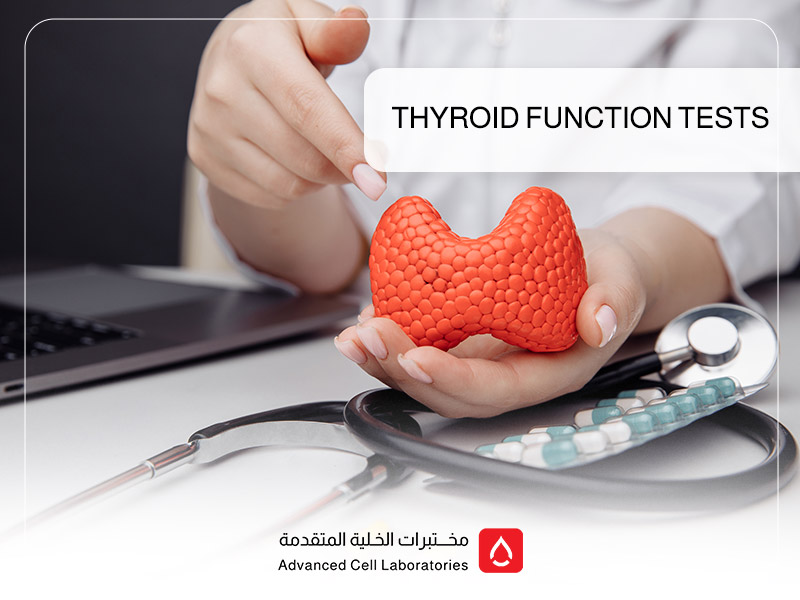
Thyroid Function Tests
Are you experiencing unexplained fatigue? Sudden weight gain or loss? It might be time for a thyroid check. Thyroid testing in Saudi Arabia is one of the most important medical exams that helps detect disorders early, protecting your overall health.
In this article, we guide you through everything you need to know about thyroid function tests and how to benefit from thyroid test offers in Saudi Arabia at Advanced Cell Laboratories (ACL).
What are Thyroid Function Tests?
Thyroid tests are a series of blood tests that measure thyroid hormone levels, responsible for regulating metabolism, body temperature, heart rate, and more. These tests include:
- TSH (Thyroid Stimulating Hormone)
- T3 (Triiodothyronine)
- T4 (Thyroxine)
- Thyroid antibody tests
These exams can detect hypothyroidism (underactive thyroid) or hyperthyroidism (overactive thyroid).
Why is Thyroid Testing Important for Your Health?
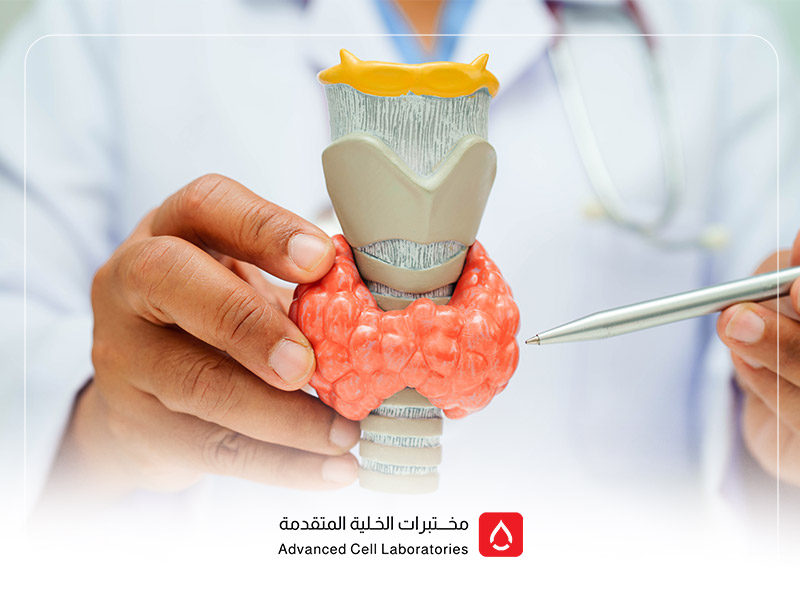
Thyroid disorders can significantly impact your health. Testing helps:- Detect diseases early, such as hypothyroidism or hyperthyroidism
- Monitor your treatment if you are already diagnosed
- Track hormone level changes during pregnancy (thyroid test for pregnant women)
- Diagnose growth or metabolic problems in children (thyroid test for kids)
What is the Best Laboratory for Thyroid Testing in Saudi Arabia?
When it comes to accuracy and reliability, **Advanced Cell Laboratories (ACL)** is the optimal choice. It offers:
- State-of-the-art thyroid hormone testing technology
- Accurate results within 24-48 hours
- Certified and specialized medical team
- Thyroid test offers in Saudi Arabia at competitive prices
Why Choose an Accredited Laboratory?
Choosing an accredited lab for thyroid testing ensures:
- Compliance with international quality standards
- Accreditation by the Saudi Ministry of Health
- Accurate reports recognized by hospitals and health authorities
Types of Thyroid Tests Available

The main types of tests available at Saudi labs include:- TSH (Thyroid Stimulating Hormone)
- The most important test to evaluate thyroid function
- High = hypothyroidism, Low = hyperthyroidism
- Free T4 (Free Thyroxine)
- Measures the primary hormone produced by the thyroid
- Helps determine underactive or overactive thyroid
- Free T3 (Free Triiodothyronine)
- Used to evaluate hyperthyroidism more accurately
- Sometimes requested alongside T4
- TPO Antibodies
- Detect autoimmune thyroid diseases such as:
- Hashimoto’s thyroiditis (autoimmune hypothyroidism)
- Graves’ disease (autoimmune hyperthyroidism)
- Detect autoimmune thyroid diseases such as:
- Thyroglobulin Antibodies (TgAb)
- Detect chronic autoimmune disorders or monitor some thyroid cancers
- Thyroglobulin (Tg)
- Used to monitor thyroid cancer after treatment
- TRAb (TSH Receptor Antibodies)
- Used to confirm Graves’ disease diagnosis
- Reverse T3 (RT3) (less common)
- Used in special cases to evaluate hormone balance
How to Choose the Best Lab for Thyroid Testing?
- Choose an accredited and reputable lab like ACL
- Check the experience of the medical staff
- Compare thyroid test prices
- Read previous customer reviews
- Check for available offers and discounts
Steps for Thyroid Function Testing
- Consult your doctor to determine the need for testing.
- Preparation: fasting is usually not required, but inform your doctor about medications.
- Blood sample drawn from the arm vein.
- Sample analyzed to measure TSH, T3, T4, and possibly antibodies.
- Wait for results (1–3 days).
- Review results with your doctor to determine next steps.
Frequently Asked Questions about Thyroid Tests in Saudi Arabia
When should I get a thyroid test?
If you experience persistent fatigue, weight gain or loss, or skin and hair problems.
How much does thyroid testing cost in Saudi Arabia?
Prices usually range from 150–400 SAR depending on the type of test and lab.Are there thyroid tests for children and pregnant women?
Yes, ACL provides specialized services for both.How do I read thyroid test results?
Results are interpreted by a specialist doctor based on normal ranges and individual differences.How to Get Discounts and Offers on Thyroid Tests
- Follow ACL’s social media pages
- Take advantage of seasonal offers, e.g., summer or Saudi National Day promotions
- Ask about comprehensive lab packages that may include thyroid tests at lower prices
Don’t neglect your health! Monitor your thyroid function and book your appointment at Advanced Cell Laboratories (ACL) for accurate, fast, and reliable results.
Call us today or find the nearest branch and book now!
-

Celiac Disease (Gluten Sensitivity)
Wheat allergy is a common health issue affecting both adults and children, directly impacting the digestive and immune systems.
With increasing awareness of this condition, it has become essential to understand its symptoms and diagnostic methods, especially with advanced tests available at precise labs like Advanced Cell Laboratories in Saudi Arabia.What is Wheat Allergy (Celiac Disease)?
Wheat allergy or Celiac Disease is a chronic autoimmune disorder resulting from an abnormal immune response to the gluten protein found in wheat, barley, and oats.
When gluten is consumed, the immune system attacks the lining of the small intestine, leading to damage and poor nutrient absorption.What is the difference between Wheat Allergy and Gluten Intolerance?

Wheat allergy is often confused with gluten intolerance, but the difference is significant:- Wheat Allergy: A severe immune response involving immediate symptoms like rash, breathing difficulties, or even anaphylaxis.
- Gluten Intolerance: A non-immune condition causing digestive symptoms like bloating and diarrhea upon gluten consumption, without a serious immune reaction.
- Celiac Disease: An autoimmune disease that damages the small intestine over time.
What are the main symptoms of Wheat Allergy?
Wheat allergy symptoms vary from person to person, including:
- Abdominal pain and bloating
- Chronic diarrhea or constipation
- Sudden weight loss
- Skin rash (especially dermatitis herpetiformis)
- Anemia
- Chronic fatigue
- Delayed growth in children
- Osteoporosis
It is crucial to get a wheat allergy test if these symptoms appear, especially if they are chronic and unexplained.
How is Celiac Disease Diagnosed?
Diagnosis usually starts with reviewing symptoms and family history, followed by advanced tests such as:
- Anti-tTG (IgA) Test: Measures anti-tissue transglutaminase antibodies, the primary test for celiac disease.
- IgA and IgG Tests: To measure antibody levels related to the immune reaction to gluten.
- Genetic Gluten Test: To detect genetic mutations linked to the disease.
- Intestinal Biopsy: In some cases, to confirm small intestine damage.
Which tests should be performed?
When suspecting wheat allergy or celiac disease, it is recommended to perform:
- Comprehensive wheat allergy test
- Immune test for wheat allergy
- Antibody tests (IgA, IgG)
- Other food allergy tests to identify additional potential triggers
- Asymptomatic celiac screening for at-risk or genetically predisposed family members
Can it affect children and adults?
Yes, wheat allergy can affect all age groups.
- In children: May appear as chronic diarrhea, growth delays, or poor appetite.
- In adults: Manifests as diverse digestive and immune symptoms and can sometimes be silent.
Therefore, it is recommended to screen children if early symptoms or family history exist.
Role of Advanced Cell Laboratories in Celiac Testing

Advanced Cell Laboratories is one of the leading labs in Saudi Arabia, providing precise diagnostic services including:- High-accuracy wheat allergy testing using the latest immunoassay equipment
- Reliable and fast celiac testing in Riyadh
- Detailed reports and explanation of results for patients
- Specialized tests like anti-tTG and autoimmune analyses
Frequently Asked Questions about Wheat Allergy Testing
Should gluten be stopped before testing?
No, gluten consumption should continue to detect antibodies if present.
Is celiac testing sufficient alone?
It is recommended to combine it with antibody and other immune tests for more accurate diagnosis.
When is the best time for celiac testing?
When symptoms appear or there is a family history, especially in cases of hereditary gluten sensitivity.
Can results be negative despite having the disease?
Yes, in some cases IgA deficiency can cause false negative results, which is why alternative tests like IgG or genetic analysis are performed.
Wheat allergy is not as rare as some might think; it is a common disorder that requires awareness and precise diagnosis to avoid complications.
At Advanced Cell Laboratories, we provide the most accurate wheat allergy tests with detailed reports and reliable medical support.
Do not hesitate to book your appointment today for celiac testing and take advantage of advanced diagnostic packages! -

Prostate Health
The prostate gland is an important organ in the male body. Despite its small size, any disorders affecting it can significantly impact urinary and reproductive health. For this reason, prostate examination and PSA testing are essential, especially with advancing age.
In this article, we will provide a detailed overview of everything you need to know about the prostate, the most important related tests, and the role of Advanced Cell Laboratories in offering precise and safe testing services.What is the Prostate Gland?
The prostate is a small gland located below the bladder, surrounding the urethra in men. It plays a vital role in producing seminal fluid and gradually changes and enlarges with age. Any change in its size or activity can lead to urinary or sexual problems.
Why is Prostate Testing Important for Men?
Comprehensive prostate testing is important for the early detection of conditions such as benign prostatic hyperplasia or prostate cancer. Men, especially over 50, are advised to undergo annual prostate screening, which helps in early diagnosis and avoiding serious complications.
What is the difference between Benign Prostate Enlargement and Prostate Cancer?

Although the symptoms may be similar, benign enlargement and prostate cancer differ in causes and treatment:- Benign Prostatic Hyperplasia: Usually a natural result of aging and is treated with medication or surgery depending on the case.
- Prostate Cancer: Abnormal growth of prostate cells that may spread to other organs and requires early diagnosis and specialized treatment.
What are the Symptoms of Prostate Problems?
The main prostate symptoms in men include:
- Difficulty or interrupted urination
- Frequent nighttime urination
- Weak urine flow
- Presence of blood in urine or semen
- Pain in the lower back or pelvis
What is PSA Testing and When is it Recommended?
PSA (Prostate-Specific Antigen) test is a blood test that measures the level of a protein produced by the prostate. Elevated levels may indicate:
- Prostate enlargement
- Inflammation
- Or prostate cancer
Types of PSA Tests
- PSA Total
- PSA Free
- Free/Total Ratio: Helps differentiate between benign enlargement and cancer.
This test is recommended for men over 50 or those with a family history of prostate problems.
What is the Role of Preventive Tests in Early Diagnosis?
Preventive tests, such as early prostate screening and advanced prostate tests, allow doctors to detect any abnormalities at an early stage. Urinary tests help provide a complete picture of male urinary health.
Preventive tests include:- Prostate gland test
- PSA Total & Free
- Complete urine analysis
- Blood test to detect signs of inflammation or cancer
What Services Does Advanced Cell Laboratories Offer for Prostate Testing?

Advanced Cell Laboratories in Saudi Arabia offers a range of specialized prostate tests with high accuracy through:- High-sensitivity PSA testing equipment
- Qualified medical staff specializing in interpreting prostate test results
- Quick and safe testing without long waiting times
- Home testing services in Riyadh and major cities
- Close monitoring of chronic cases
Whether you are looking for the best prostate lab or regular testing, Advanced Cell Laboratories is your ideal choice in Saudi Arabia.
Frequently Asked Questions About Prostate Health
Should I get a prostate test even if I have no symptoms?
Yes, preventive prostate testing is recommended, especially after age 50, to avoid late diagnosis of serious diseases.
Is PSA testing enough for diagnosis?
PSA testing is important, but it should be complemented by additional tests such as imaging or biopsy if abnormal indicators are found.
How often should I retest the prostate?
Once a year is sufficient for most men. Those with a medical history or risk factors may be advised to test every six months.
Is prostate testing painful?
PSA testing is a simple and painless blood test, while clinical examinations or biopsies are performed under medical supervision and local anesthesia if necessary.
Prostate health should not be neglected, and early testing is key to prevention and successful treatment. If you are looking for the best diagnostic lab in Saudi Arabia providing precise and safe prostate testing, Advanced Cell Laboratories is your first choice.
Book your prostate test now at Advanced Cell Laboratories and enjoy professional service with reliable results to help maintain your health.