Your cart is currently empty!
Author: Anas Alkomy
-
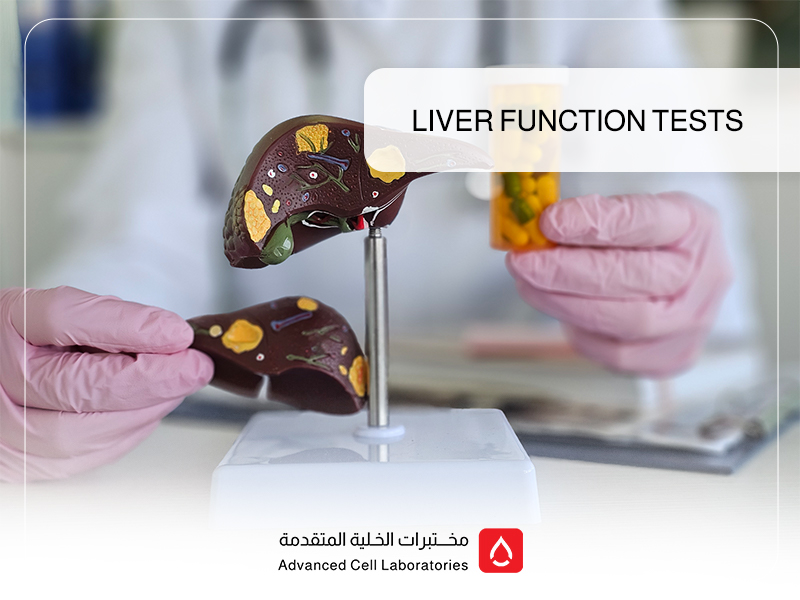
Liver Function Tests
Liver function tests are essential medical examinations to assess the liver’s health and its efficiency in performing vital functions. Doctors recommend regular testing, especially for those with chronic diseases or taking medications that affect the liver.
In this article, we guide you through everything you need to know about this important test, from its types to interpreting its results, in a comprehensive guide prepared by “Advanced Cell Laboratories” in Saudi Arabia.
What is a liver function test?
A liver function test is a set of blood tests that measure the levels of specific enzymes, proteins, and substances in the blood to evaluate liver health. This test usually includes:
- Liver enzymes tests: such as AST, ALT, and ALP.
- Bilirubin test: to detect bile and liver problems.
- Albumin and total protein test: to evaluate the liver’s ability to produce proteins.
Why are liver function tests important for disease detection?
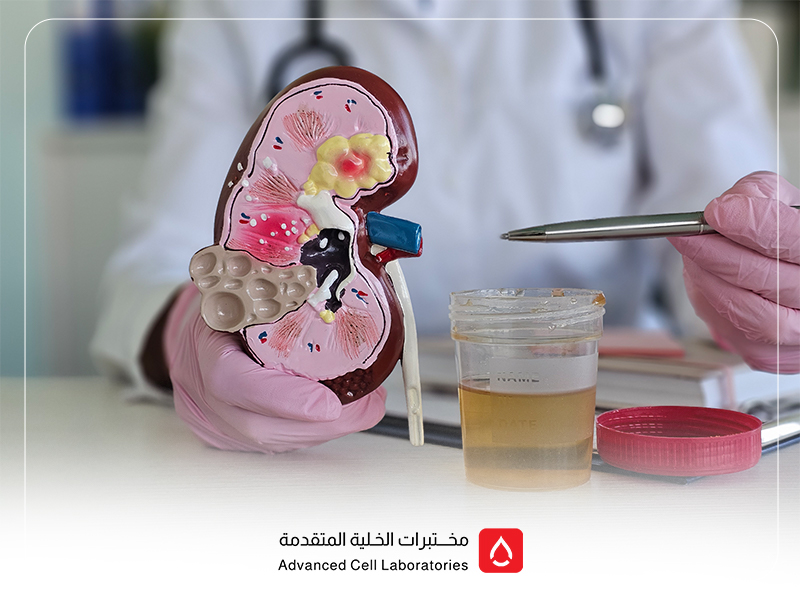
Liver function tests play a key role in early detection of:- Chronic liver diseases such as cirrhosis.
- Hepatitis of various types.
- Toxic effects of medications on the liver.
- Detection of lipid disorders, such as liver and cholesterol tests.
Early testing helps avoid serious complications through an appropriate treatment plan designed by the specialist doctor.
Types of liver function tests
Comprehensive liver tests include:
- ALT (SGPT) – the most accurate enzyme for detecting liver damage.
- AST (SGOT) – helps determine liver damage extent.
- ALP – elevated levels indicate bile duct issues.
- GGT – important for evaluating alcohol or toxin-related liver diseases.
- Bilirubin – elevated levels cause yellowing of the skin and eyes.
- Albumin – indicator of liver protein production.
- Liver & hepatitis tests – includes specific tests like HBsAg and HCV Ab.
When should liver function tests be done?
It is recommended in cases such as:
- Presence of symptoms like persistent fatigue, nausea, or yellowing of the skin.
- Regular monitoring for patients with liver diseases.
- After long-term medication use.
- Patients with high cholesterol or triglycerides.
- As part of routine tests, such as fasting liver tests.
How to prepare for a liver function test for accurate results?
To obtain accurate results, follow these guidelines:
- Fasting for 8–12 hours before the test (as per doctor’s instructions).
- Avoid taking medications before the test after consulting your doctor.
- Avoid strenuous physical activity before the test.
- Drink enough water.
These steps help minimize external factors affecting test results, especially as medications can influence liver test outcomes.
Steps to perform a liver function test
At “Advanced Cell Laboratories”, liver function tests are conducted with high precision standards and include:
- Visit the lab at the scheduled appointment.
- Blood sample collection from a vein.
- Sample analysis using the latest equipment.
- Results available within hours or a working day.
How are liver function test results interpreted?
Result interpretation depends on reference values for each test, e.g.:
- Elevated ALT and AST indicate liver cell damage.
- High ALP and GGT suggest bile duct issues.
- Low albumin may indicate impaired liver function.
Interpretation should be done in consultation with a doctor considering patient history and other factors.
Factors affecting the accuracy of liver function tests
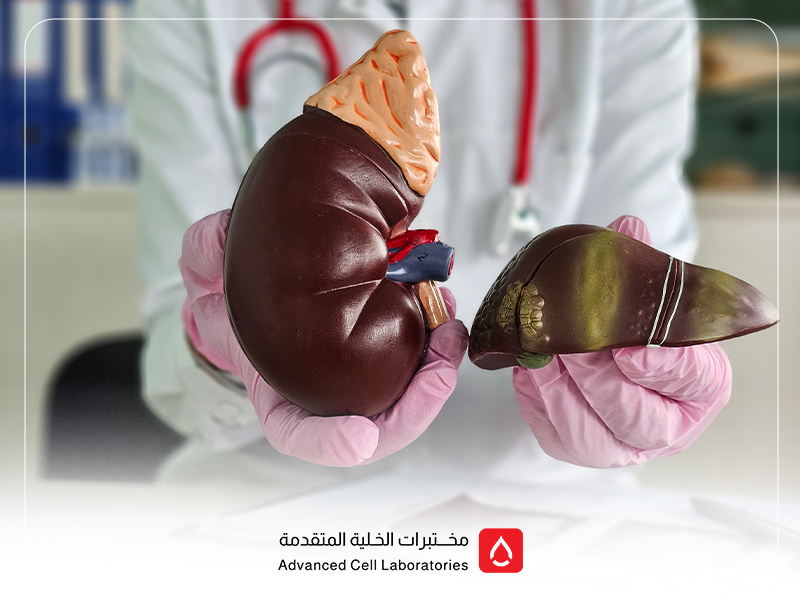
Several factors can affect accuracy, including:- Taking medications without informing the lab.
- Physical stress before the test.
- Not fasting when required.
- Other infections or inflammations in the body.
Frequently Asked Questions about liver function tests
Is the liver function test painful?
Very simple procedure; only a blood sample is drawn from a vein.
Can I eat or drink before the test?
Some tests require fasting; follow your doctor’s instructions.
Does it detect fatty liver?
It may give indicators, but CT scans confirm the diagnosis.
What is the cost of liver function tests in Saudi Arabia?
Varies by lab, generally between 100 to 250 SAR.How to choose the best lab for liver function tests in Saudi Arabia?
Ensure the lab:
- Is accredited by the Ministry of Health.
- Uses the latest lab equipment.
- Provides result interpretation and medical consultation.
- Offers online appointment booking.
“Advanced Cell Laboratories” is among the best accredited labs in Saudi Arabia, providing accurate tests and excellent customer service.
Liver function tests are essential for understanding liver health and diagnosing any issues early. Don’t wait for symptoms to appear; book your appointment now at Advanced Cell Laboratories and enjoy reliable service and accurate results that help you take better care of your health.
-
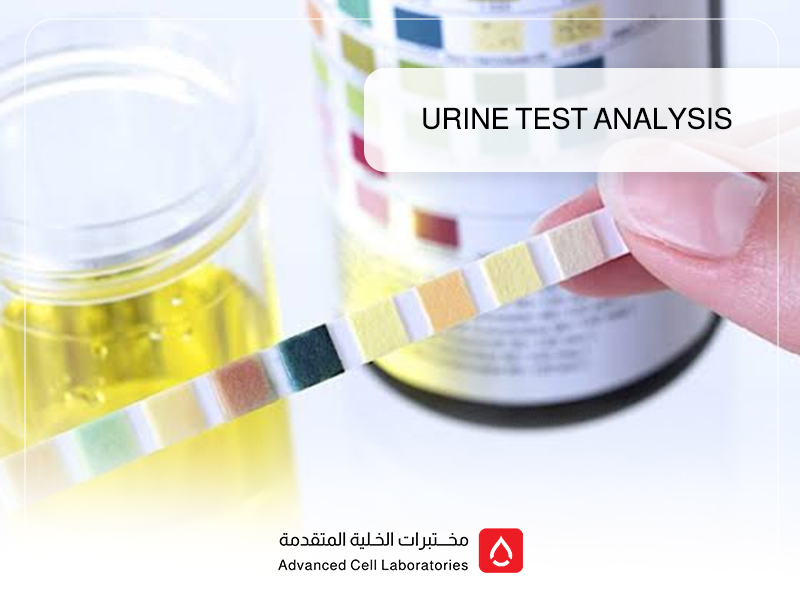
Urine Test Analysis
Urine analysis is one of the most common and simple medical tests, used to detect a wide range of health conditions.
In this article, we will explore everything about urine analysis, from its importance to how it is conducted, in collaboration with “Advanced Cell Labs” in Saudi Arabia.
What Is a Urine Test and Why Is It Done?
A urine test is an examination performed on a urine sample to evaluate a set of indicators that may indicate health problems such as urinary tract infections, kidney issues, diabetes, and even pregnancy.
Why Is Urine Analysis Important for Detecting Diseases?
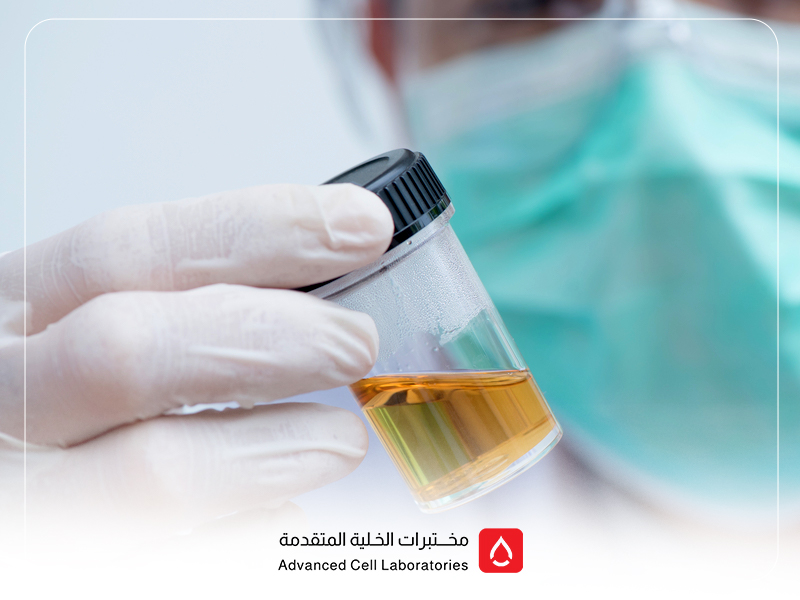
The importance of urine analysis lies in being a quick and painless test that can detect:
- Urinary tract infections
- Kidney and liver problems
- Diabetes and monitoring its levels
- Early stages of pregnancy
- Presence of proteins, blood, or abnormal substances in urine
What Are the Different Types of Urine Tests?
Several types of urine tests in Saudi Arabia include:
- Complete Routine Urinalysis (Urinalysis)
- Pregnancy Urine Test
- Urine Test for Sugar or Ketones
- Urine Test for Excess Protein
- Urine Test for Kidney or Bladder Infections
How to Prepare for a Urine Test?
Preparation for a urine test includes following some simple instructions to ensure accurate results:
- Wash hands and genital area thoroughly before collecting the sample
- Use a sterile container for sample collection
- Avoid certain medications or foods that may affect results
Correct Steps for Collecting a Urine Sample
- Use a clean, sterile container
- Start urinating a small amount into the toilet
- Collect the midstream urine sample
- Close the container tightly and deliver it to the lab as soon as possible
How Is the Urine Sample Analyzed in the Laboratory?
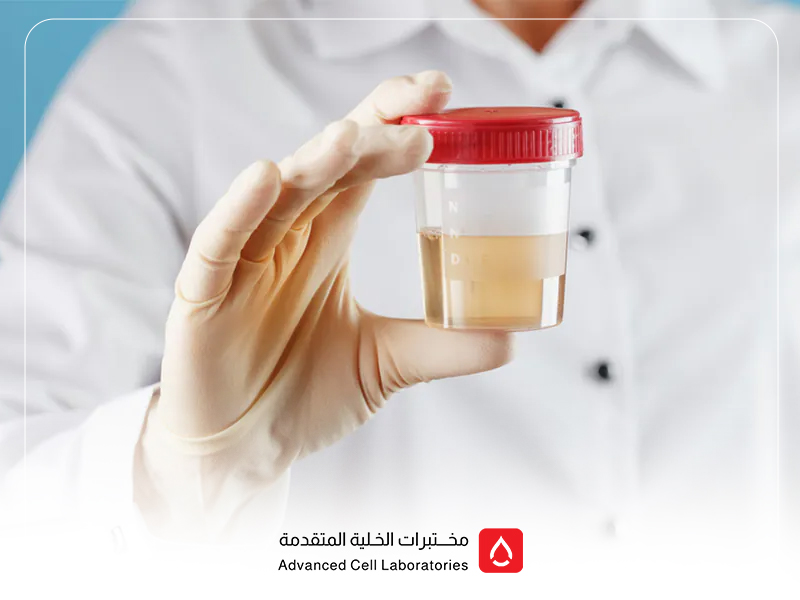
Urine analysis in the lab is performed in three stages:
- Visual Examination: To check urine color and clarity
- Chemical Analysis: Using test strips to detect sugar, protein, blood, ketones, etc.
- Microscopic Examination: To detect cells, bacteria, crystals, or any abnormal elements
Factors Affecting the Accuracy of Urine Test Results
- Time of Sample Collection: First morning urine is preferred as it is more concentrated
- External Contamination: Vaginal discharge, stool, or touching the inside of the container
- Poor Personal Hygiene Before Collection: May introduce bacteria or impurities that distort results
- Using Non-Sterile Container: Always use a clean, sterile container for the test
- Delay in Delivering Sample: More than two hours may change urine components (cell breakdown or bacterial growth)
- Medications or Supplements: Some medications (e.g., vitamin C or antibiotics) may affect results
- Consuming Certain Foods: Beets or other colored foods can affect urine color and composition
- Drinking Excess Fluids Before Test: Dilutes urine and affects accuracy of certain values (e.g., protein, blood cells)
- Menstruation in Women: It is advised to postpone testing until after menstruation as it may produce inaccurate results
Frequently Asked Questions About Urine Analysis
1. What does a urine test detect?
It detects kidney problems, infections, pregnancy, sugar and protein levels.
2. Is fasting required before a urine test?
In most cases, fasting is not required unless an additional urine-related test is requested.
3. What is the difference between a kidney urine test and a pregnancy test?
Kidney test focuses on proteins and blood cells, while pregnancy test detects hCG hormone.
4. How much does a urine test cost in Saudi Arabia?
Prices vary between labs, usually ranging from 50 to 150 SAR depending on the type of test.
How to Choose the Best Laboratory for Urine Analysis in Saudi Arabia?
When choosing a urine testing lab, consider:
- Accreditation by official health authorities
- Availability of accurate and fast results
- Use of latest laboratory equipment
- Experienced medical staff
“Advanced Cell Labs” in Saudi Arabia is one of the leading accredited laboratories offering precise and professional urine analysis services.
Urine analysis is a key medical tool that helps in early diagnosis and monitoring of many health conditions. If you are looking for a reliable lab for urine testing in Saudi Arabia, “Advanced Cell Labs” is your best choice. Book your appointment today and enjoy high-quality service with accurate results.
Contact us now or book your appointment online!
-
How to Prepare for a Blood Test
Blood tests are among the most important medical procedures that help diagnose many diseases and assess overall body health. To ensure accurate results, it is essential to follow specific steps before performing the test.
In this article from “Advanced Cell Labs,” we guide you on how to properly prepare for a blood test, providing key medical tips and instructions.
What is a Blood Test and Why is it Requested?
Blood tests are a set of examinations that measure blood components such as red and white blood cells, hemoglobin, platelets, glucose, lipids, and hormones. These tests are used to detect:
- Anemia
- Liver and kidney diseases
- Diabetes
- Lipid and cholesterol problems
- Infections and inflammations
Why is Proper Preparation Important Before a Blood Test?
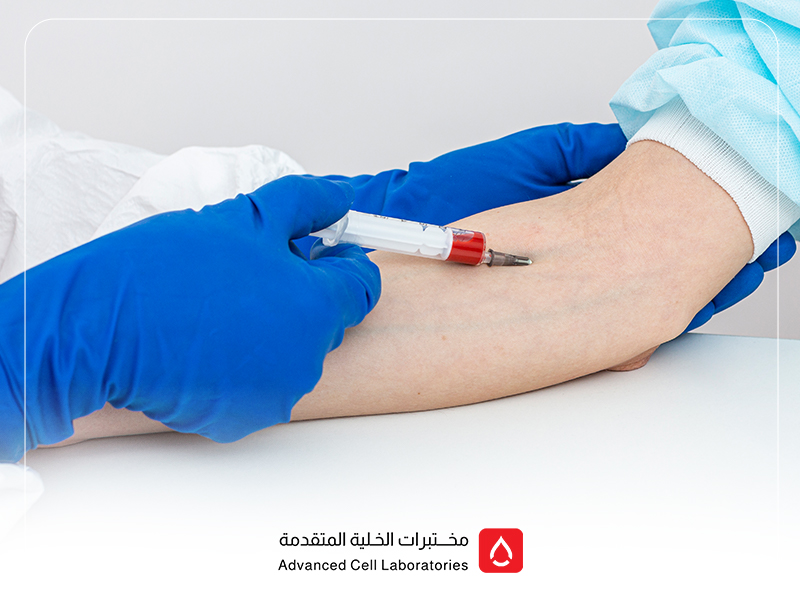
- Helps obtain accurate results.
- Prevents misdiagnosis or misleading the doctor.
- Reduces the need for retesting.
- Ensures effective treatment based on correct results.
- Minimizes the impact of food, medications, and physical activity on results.
Essential for certain tests such as
- Fasting blood glucose (8-hour fast).
- Triglyceride test (fast 9–12 hours).
- Vitamin tests (stop supplements before the test).
Which Blood Tests Require Special Preparation?
Some tests require specific preparations, including:
- Fasting blood test: Requires fasting for 8–12 hours.
- HbA1c (A1c) test: Does not require fasting, but the lab should be informed of any medications.
- Blood lipid test: Fast for 9–12 hours before the test.
- Hormone tests: Some may require testing at specific times of the day.
How to Prepare for a Fasting Blood Test?
Proper preparation includes:
- Fasting from food (water is allowed) for 8–12 hours depending on the test type.
- Avoid tea, coffee, and juices.
- Avoid strenuous physical activity the day before.
- Stop certain medications if recommended by your doctor.
Do Food and Drinks Affect Blood Test Results?
Yes, food and drinks significantly affect blood test results, especially blood glucose. Here are the details:
How Does Food Affect Results?
- After eating, especially carbohydrate-rich foods (bread, rice, sweets), blood glucose levels rise.
- Thus, performing a glucose test after eating will show higher results than fasting levels.
Types of Blood Glucose Tests and Their Relation to Food
- Fasting Blood Sugar (FBS):
- Fast for 8–12 hours before the test (only water allowed).
- Eating or drinking (except water) before the test leads to inaccurate results.
- Random Blood Sugar (RBS):
- Can be performed at any time regardless of food intake.
- Used for emergency cases or quick monitoring.
- Oral Glucose Tolerance Test (OGTT):
- Requires fasting, then the patient consumes a glucose drink, and levels are measured after 1 and 2 hours.
- Often used to diagnose diabetes or gestational diabetes.
- HbA1c Test:
- Not affected by food.
- Provides average glucose levels over the past 2–3 months.
Factors Affecting Blood Test Accuracy
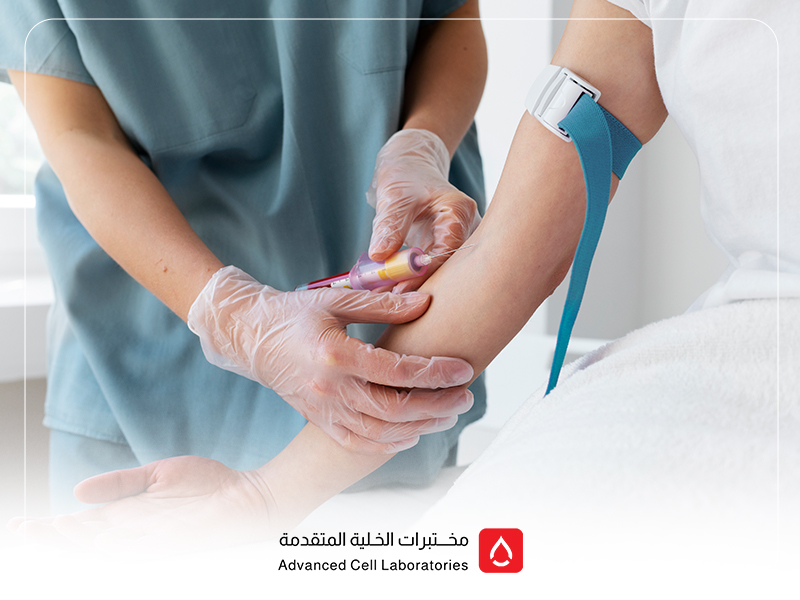
- Eating before the test.
- Stress or lack of sleep.
- Certain medications.
- Alcohol consumption or smoking.
- Dehydration or insufficient water intake.
Medical Guidelines Before a Blood Test
Key instructions for a comprehensive blood test include:
- Stop eating before the test according to doctor’s instructions.
- Drink enough water (helps with sample collection).
- Bring a list of medications used.
- Wear suitable clothing to allow easy access to the arm.
- Arrive on time for your appointment.
Frequently Asked Questions About Preparing for a Blood Test
When should you fast before a blood test?
Usually 8–12 hours, depending on the type of test.
What should you do before a blood test?
Drink water, avoid food as instructed, and stay relaxed.
Can you drink water before the test?
Yes, it is recommended to stay hydrated.
Does coffee affect the test?
Yes, coffee can affect glucose and lipid test results.
How to Choose the Best Laboratory for a Blood Test in Saudi Arabia?
When choosing a lab, consider:
- Accreditation by Saudi health authorities.
- Accuracy of equipment used.
- Speed of results delivery.
- Availability of online appointment booking.
- Presence of consultants to interpret results. “Advanced Cell Labs” is among the leading and accredited laboratories in Saudi Arabia, known for accuracy, speed, and excellent service.
Preparing for a blood test is a simple yet crucial step to ensure accurate results and avoid any misdiagnosis. Don’t hesitate to contact our team at Advanced Cell Labs to book your appointment or request a free consultation before your tests.
Book your test now with Advanced Cell Labs and enjoy precise and reliable service!