Your cart is currently empty!
Blog
-

Preventive Screening for Seniors
As we age, the body requires more precise medical follow-up. This is where preventive tests for seniors come in—they are not just a tool to detect diseases but a crucial step to maintain quality of life and prevent complications of aging.
In this article, we will explore the most important tests and screenings that seniors should undergo regularly and their vital role in promoting overall health.
Why Are Preventive Tests Important for Seniors?

Preventive tests help in the early detection of chronic diseases such as high blood pressure, diabetes, liver and kidney diseases, osteoporosis, and vitamin deficiencies. This allows for early therapeutic measures and enables doctors to monitor biological changes that may affect health over time.
What Are the Key Routine Tests After Age 60?
After the age of 60, regular check-ups become a necessity rather than a luxury. Key tests for seniors include:
- Complete Blood Count (CBC)
- Glycated Hemoglobin (HbA1c)
- Liver and kidney function tests
- Lipid profile and cholesterol tests
- Bone density test
- Vitamin deficiency tests (Vitamin D, B12, Iron)
- Heart and lung screenings
- Early cancer detection tests
HbA1c Blood Test
The HbA1c test measures average blood sugar levels over the past three months, helping assess diabetes risk or monitor diabetic patients, making it a key preventive test for seniors.
Cholesterol and Heart Function Tests
High cholesterol and harmful fats increase the risk of heart disease. Recommended tests include:
- Triglycerides
- Total cholesterol, LDL (bad), and HDL (good)
- ECG (Electrocardiogram)
- Stress test
- CRP (C-Reactive Protein) test for heart inflammation
Liver and Kidney Function Tests
These tests are essential for evaluating the body’s ability to eliminate toxins. They include:
- Creatinine and Urea (Kidney function)
- Liver enzymes (ALT, AST, ALP, GGT)
Bone Density Test for Osteoporosis
DEXA scan measures bone density, crucial for men and women over 60 due to the increased risk of osteoporosis and fractures.
Vitamin D and Iron Tests
Vitamin deficiencies can cause weak immunity, fatigue, and bone disorders. Recommended tests include:
- Vitamin D test
- Vitamin B12 test
- Iron and ferritin levels
Cancer Screening Tests (PSA – CA 125)

Early detection increases treatment success. Key preventive tests include:
- PSA for prostate cancer in men
- CA 125 for ovarian cancer in women
- Fecal occult blood test for colon cancer
Mental and Neurological Health
Preventive screenings for seniors also include tests for depression, Alzheimer’s, and memory disorders, especially for those over 70.
How Often Should Seniors Repeat Tests?
- Complete Blood Count: Every 6-12 months
- Blood sugar and lipid tests: Every 6 months
- Liver and kidney functions: Annually
- Bone density test: Every 2 years
- Cancer screenings: According to family history and doctor recommendations
How Preventive Tests Improve Quality of Life
- Early disease detection
- Early lifestyle and dietary adjustments
- Prevention of chronic disease complications
- Reduced need for costly treatments later
Health Tips for Seniors
- Follow a structured senior healthcare program
- Regular follow-up at trusted labs like Advanced Cell Labs
- Maintain a healthy, vitamin-rich diet
- Engage in regular light exercise
- Quit smoking
- Regulate sleep and avoid stress
Frequently Asked Questions About Preventive Tests for Seniors
When is the best time to start preventive tests?
After age 50, but it is recommended to follow a regular schedule after 60.
Do tests differ between men and women?
Yes, some tests are gender-specific, such as PSA for men, CA 125 for women, and bone density tests which are more recommended for women due to menopause.
Are these tests covered by insurance?
Most insurance packages for senior care include routine tests.
Can all tests be done in a single visit?
Yes, Advanced Cell Labs can coordinate a comprehensive appointment to save time and effort.
Focusing on preventive tests for seniors is a real investment in health and longevity. Every test done today is a step toward preventing tomorrow’s diseases.
Book your appointment now with Advanced Cell Labs, one of the top diagnostic labs in Saudi Arabia, ensuring accurate diagnostics and fast results with the latest technology.
-
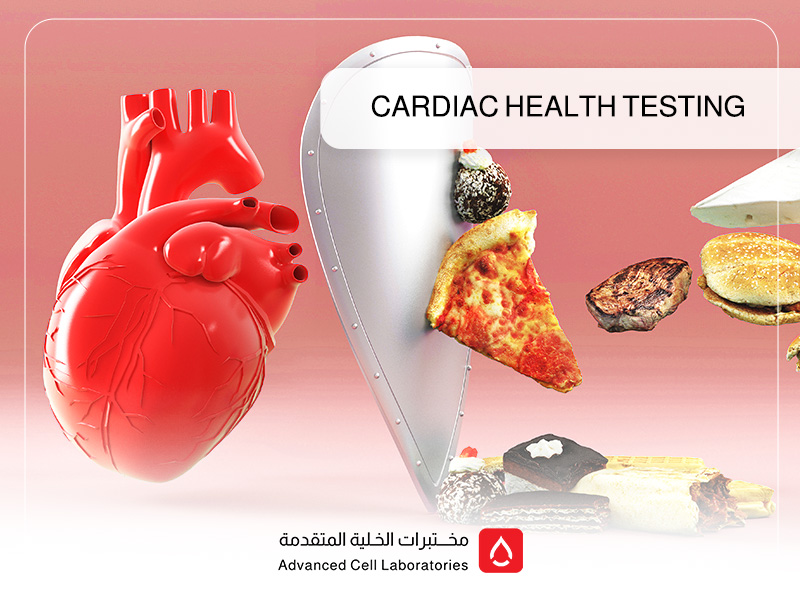
Cardiac Health Testing
Heart health is considered one of the most important aspects to focus on in our daily lives, especially with the rising rates of heart disease worldwide. This is where heart health tests come in as an effective way to detect any issues or risks that may threaten the heart muscle. In this article, we will explore the most important heart tests, their role in diagnosis and prevention, and how to interpret their results, along with practical tips from the experts at Advanced Cell Laboratories.
Why are heart health tests important?

Heart tests are not only conducted for those experiencing symptoms; they can also be part of routine check-ups for men and women, especially after the age of 40 or when there is a family history of heart disease.
The importance of these tests includes:- Early detection of arterial diseases.
- Monitoring heart condition after surgeries or cardiac events.
- Assessing lipid levels and their impact on blood vessels.
- Identifying chronic inflammation markers related to the heart.
What types of heart tests are needed?
Comprehensive heart examinations include a variety of tests such as:
- Heart enzyme tests
- Cholesterol tests
- Triglycerides and harmful fats tests
- C-reactive protein CRP
- Troponin test
- Electrocardiogram (ECG)
- Stress test
- Echocardiogram
- Blood pressure check
- Cardiac sugar test
Heart enzyme tests: What are they and when are they requested?
Heart enzyme tests are used to detect damage to the heart muscle due to ischemia or a heart attack.
The most important enzymes measured include:- CK-MB
- LDH
- Troponin
This test is often requested when experiencing chest pain, shortness of breath, or suspected heart attack.
What is an ECG test?
An ECG is a simple and quick test that records the heart’s electrical activity.
It is used to diagnose:- Heart rhythm disturbances
- Electrical conduction problems
- Effects of previous heart attacks
Lipid and cholesterol tests and their impact on the heart
High levels of LDL (“bad” cholesterol) or triglycerides increase the risk of plaque buildup in arteries, causing narrowing or blockages. HDL (“good” cholesterol) acts as a protective factor for the heart. It is recommended to include these tests in preventive heart check-ups.
C-reactive protein (CRP) and its role in diagnosing heart disease
CRP is a protein produced by the liver during inflammation. Elevated levels are a serious indicator of vascular inflammation or a risk of atherosclerosis, making this test one of the key preventive heart tests.
Troponin test for detecting heart attacks
Troponin is the most accurate marker of heart muscle damage. Elevated levels in the blood often indicate an acute heart attack. Troponin tests are essential in emergency departments for precise diagnosis of heart attacks.
When should these tests be conducted?
The following situations warrant heart health tests:
- Chest pain or shortness of breath
- Family history of heart disease
- Diabetes and high blood pressure patients
- Obesity and high-fat levels
- Smoking or chronic stress
- Routine check-ups after age 40
How to interpret heart test results?
It is always recommended to consult a doctor or lab specialist for accurate interpretation. However, some general indicators include:
- High LDL = arterial risk
- Low HDL = reduced heart protection
- High CRP = presence of chronic inflammation
- High Troponin = possible heart attack
Do test results differ by age and gender?
Yes, some indicators vary according to age and gender:
- Heart tests for men may show early risks after age 40.
- Heart tests for women are influenced by hormones and heart attack symptoms may differ.
- Elderly individuals require careful monitoring of lipid, blood pressure, and sugar tests.
Can early tests prevent heart disease?

Absolutely. Regular heart tests play a vital role in:
- Detecting issues before they worsen
- Adjusting diet and medications early
- Preventing acute crises and unexpected surgeries
Tips after receiving heart test results
- Follow your doctor’s instructions and do not ignore any elevated results
- Gradually change your lifestyle: reduce fats, exercise, avoid smoking
- Monitor blood pressure and sugar levels continuously
- Have a regular heart test every 6 months if you are in a high-risk group
Frequently asked questions about heart tests
1. Are heart tests painful?
Most are done via blood samples or painless monitoring devices.2. How often should heart tests be done?
At least once a year, or every 6 months for those with chronic conditions.3. Can tests replace clinical examinations?
Tests complement clinical examinations; they do not replace them.4. Does health insurance cover heart tests?
It depends on the plan, but most medical plans cover basic heart tests.Your heart health starts with prevention, and the best way is through early and precise testing. At Advanced Cell Laboratories, we offer comprehensive heart test packages using the latest medical devices under the supervision of top specialists.
Book your routine heart check-up now and start protecting your heart with confidence.
-
Corporate Medical Screening Programs
Organizations and companies in Saudi Arabia strive to achieve a healthy and safe work environment by implementing corporate medical checkup programs.
These programs are not only tools for early disease detection but also effective means to improve overall employee performance and reduce absenteeism. Advanced Cell Labs is one of the leading certified labs in the Kingdom, offering professional and tailored periodic checkup services for organizations.
What Are Corporate Medical Checkup Programs?
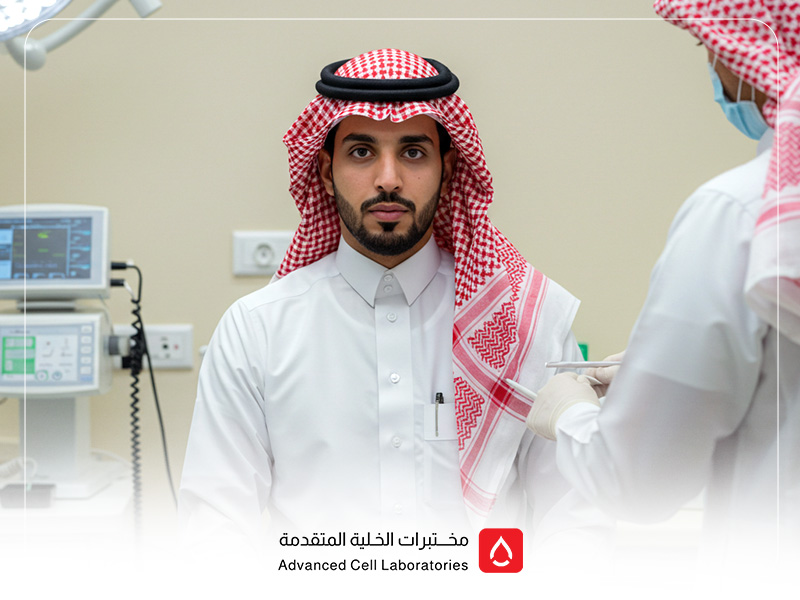
Corporate medical checkup programs are a series of regular medical procedures performed for employees and staff, including:
- Pre-employment screening
- Periodic corporate health checkups
- Employee medical analysis
- Screening for expatriate workers
- Employee drug testing
These programs aim to assess health fitness, detect infectious diseases, and ensure compliance with occupational safety standards and regulations within Saudi Arabia.
The Importance of Periodic Medical Checkups for Employees
Periodic medical checkups reflect the company’s commitment to employee health and provide many benefits, such as:
- Reducing the spread of infectious diseases
- Lowering costs from sick leaves
- Improving productivity and work quality
- Compliance with Ministry of Health and labor regulations
- Enhancing the company’s reputation as a safe and healthy workplace
Which Tests Should Be Conducted for Employees?
Tests vary according to the nature of work, but the main checkups include:
- Complete Blood Count (CBC)
- Blood sugar and blood pressure screening
- Liver and kidney function tests
- Screening for infectious diseases (e.g., Hepatitis B & C)
- Vision and hearing tests
- Respiratory health screening
These procedures also include occupational health examinations related to specific work environments (industrial, chemical, etc.).
Physical Fitness and General Health Screening
As part of corporate medical checkup programs, overall employee fitness is evaluated, including:
- Health fitness for work assessments
- Body Mass Index (BMI)
- Cardiac and respiratory function tests
- Comprehensive medical evaluation of the employee’s physical ability to perform required tasks
Drug Testing and Infectious Disease Screening

In some sectors, such as transportation, education, and healthcare, employee drug testing is mandatory, including:
- Urine tests to detect drugs
- Screening for infectious diseases such as HIV, tuberculosis, and meningitis
- Screening expatriate workers to ensure they are free from diseases that could affect workplace health
How Are Corporate Medical Checkup Programs Implemented?
Programs are typically executed through the following steps:
- Assess company needs based on employee count and nature of work
- Select appropriate test packages in collaboration with a certified lab
- Organize on-site visits or schedule appointments at the lab
- Collect samples and analyze according to quality standards
- Deliver confidential medical reports to management
- Follow up with cases requiring additional medical intervention
Advanced Cell Labs provides flexible solutions tailored to each organization, considering location and work schedule.
Cost of Corporate Medical Checkups in Saudi Arabia
The cost varies depending on the number of employees, types of tests, level of service (on-site or in-lab), and frequency (annual or semi-annual). Advanced Cell Labs offers customized pricing plans for all types of companies and sectors. For detailed information, please contact us at +966920013146.
Frequently Asked Questions about Corporate Medical Checkup Programs
Are periodic checkups mandatory?
In some sectors like food and healthcare, yes, as required by the Saudi Ministry of Health.Can checkups be conducted on company premises?
Yes, corporate lab teams provide equipped on-site medical visits.Do the programs include mental health screening?
Some companies include psychological evaluations, especially in jobs requiring high focus or public interaction.How often should checkups be conducted?
At least once a year, and more frequently based on medical recommendations or work type.How to Choose the Best Lab for Corporate Checkups
To ensure quality service, consider the following criteria when selecting a lab:
- Official accreditation from the Ministry of Health
- Qualified medical staff specialized in occupational health
- Provision of detailed and reliable medical reports
- Ability to provide on-site services
- Flexibility in scheduling and pricing
- Confidentiality and data privacy
Advanced Cell Labs is an ideal choice for companies seeking accuracy, commitment, and a hassle-free experience in implementing corporate medical checkup programs.
Employee health means business success. Invest in corporate medical checkup programs to protect your work environment and enhance performance efficiency. Contact Advanced Cell Labs today to design a customized program tailored to your company’s needs, ensuring the highest levels of quality and privacy.
Book your consultation now and start a comprehensive health plan for your employees via our website or by contacting our customer service team.